
Vigorus side effects: the label caution, nutrient totals and interactions to check
Side effects are not printed on the panel, so this page works from what is printed: the caution text, the two named nutrients, and the medicines worth raising first.
The Vigorus label does not list side effects. It carries a caution instead: do not exceed the recommended dose, not for use by those under the age of 18 or pregnant or nursing mothers, and consult with a physician prior to use, especially if you are taking a medication or have a medical condition. Everything below follows that caution.
What does the Vigorus label itself warn about?
The caution block is short, and it is the single most useful thing on the bottle. Printed in full, it reads: “Do not exceed recommended dose. Not for use by those under the age of 18 or pregnant or nursing mothers. Consult with a physician prior to use, especially if you are taking a medication or have a medical condition.”
Three separate instructions sit inside those two sentences. One is about quantity — one capsule daily is the suggested use, and the label asks you not to go past it. One is about who the product is for — adults, not minors, and not during pregnancy or nursing. One is about context — if you already take a prescription or manage a diagnosed condition, the label sends you to a clinician before the first capsule, not after a problem appears.
The other lines printed on the bottle
Three statements appear in capitals: KEEP OUT OF REACH OF CHILDREN. DO NOT USE IF SAFETY SEAL IS DAMAGED OR MISSING. STORE IN A COOL, DRY PLACE. The storage line is specified elsewhere on the label as a cool, dry place below 30 °C (86 °F). The seal line matters on the day the parcel arrives: a damaged or missing seal is the one instruction the label tells you to act on immediately.
The panel also carries the standard US dietary-supplement statement: “These statements have not been evaluated by the Food and Drug Administration. This product is not intended to diagnose, treat, cure or prevent any disease.” That sentence is required on supplement labels in general, and it tells you what kind of product you are holding — a dietary supplement, not a medicine. Our panel-by-panel walkthrough reproduces every line in the order it is printed.

Which amounts are published, and which are not
Two nutrients carry printed amounts. The six botanical and amino-acid components sit inside one blend total.
| Serving size | 1 capsule |
| Servings per container | 30 |
| Vitamin B3 (as Niacin) | 20 mg · 125% Daily Value |
| Zinc (as Zinc Oxide) | 11 mg · 100% Daily Value |
| Proprietary Blend | 570 mg total · Daily Value not established |
| Blend components, in label order | L-Citrulline, L-Carnitine, Pine (Pinus pinaster) Bark Extract, Maca (Lepidium meyenii) Root Extract, Grape (Vitis vinifera) Skin Extract, Saffron (Crocus sativus) Stigmas Extract |
| Other ingredients | Hypromellose (vegetable capsule), Microcrystalline Cellulose, Magnesium Stearate, Silicon Dioxide |
The panel prints one total for the blend, so the amount of each of the six components is not published. Read the label as it stands rather than dividing 570 mg between six names — proprietary blends are listed in descending order by weight, and nothing more precise than that order can be read off the panel.
What is generally known about niacin at high intakes
Niacin is vitamin B3, a nutrient your body needs every day, and the NIH Office of Dietary Supplements publishes a detailed fact sheet on it. Two general points from that sheet are worth knowing before you add any B3 to your habit, and both are about the nutrient rather than about any one product.
First, flushing. Large doses of nicotinic acid — the form used in high-dose B3 products — are described as causing flushing: warmth, redness and tingling across the face, neck and chest, typically beginning within half an hour and passing on its own. ODS associates this with intakes far above the amount a daily multivitamin or a general wellness capsule contributes.
Second, the ceiling. ODS lists a Tolerable Upper Intake Level for adults of 35 mg of niacin per day from supplements and fortified foods, set with flushing in mind. The Vigorus panel prints 20 mg of vitamin B3 per capsule, which is 125% of the Daily Value and sits under that 35 mg figure on its own. The number that matters to you, though, is your total: a B-complex, an energy drink mix, a fortified cereal and a multivitamin all add to the same column. Writing the totals down is the whole job, and our page on the niacin line shows how to do it.
Zinc, copper status and the 40 mg upper limit
Zinc is the second named nutrient, printed at 11 mg per capsule — 100% of the Daily Value, in the zinc oxide form. The NIH ODS zinc fact sheet is the reference to read, and it makes two general points about the mineral.
The upper limit for adults is 40 mg of zinc per day from all sources combined. And zinc and copper compete for absorption, so sustained intakes well above that limit are discussed in the context of copper status rather than as an immediate problem. This is standard nutrition-science background on zinc at high intakes, not a statement about any finished capsule.
Where it becomes practical is stacking. A dedicated zinc lozenge during cold season can carry 25 mg or more, a men's multivitamin often carries 11 to 15 mg, and a sports formula may carry its own. Add two or three of those to a daily capsule and the 40 mg ceiling arrives quickly. One column on a notepad settles it in a minute — see how the zinc line reads for the arithmetic.

Medicines and supplements worth raising before the first capsule
The label sends anyone on medication to a physician first. This table turns that instruction into specific conversations, and it is the list to bring to the counter.
| What you already take | Why it belongs in the conversation | What to ask |
|---|---|---|
| Blood pressure medicine | Circulation-support formulas and blood pressure medicines act on the same system your clinician is already managing to a target, and dose decisions there belong to the prescriber. | “I want to add a daily supplement with L-citrulline, niacin and zinc. Does anything here overlap with my blood pressure prescription, and should I keep taking readings at home for the first month?” |
| Blood thinners or daily aspirin | Anticoagulant and antiplatelet therapy is monitored closely, and plant extracts are a standard subject for that review — pine bark and grape skin extracts both belong to the polyphenol family clinicians ask about. | “Here is the full ingredient list. Does any of it need to be noted alongside my anticoagulant, and does my monitoring schedule change?” |
| Nitrates (for chest pain or heart disease) | Nitrates are a prescription class with strict rules about what may be combined with them, and those rules are set by the prescribing clinician, not by a label. | “I take a nitrate. Please tell me whether a daily supplement of this type fits my prescription at all, and what I should avoid entirely.” |
| Erectile-dysfunction medicines | These are prescription medicines with their own interaction list, and many men consider a daily capsule alongside one. That combination is a prescriber's decision. | “I have a prescription for an ED medicine. If I add a daily wellness capsule, is there anything in this ingredient list you would want me to leave out?” |
| A multivitamin or other supplements | This is the most common overlap of all, and it is pure arithmetic rather than pharmacology: two products can push a single nutrient total past its upper limit without either one being high on its own. | “Add up the niacin and the zinc across all of these for me. Am I over 35 mg of B3 or 40 mg of zinc on a normal day?” |
Bring the bottles or photographs of the panels. A pharmacist can read five labels in the time it takes to describe one from memory.
How to run the check yourself in five minutes
Nothing here needs an appointment. It is a notepad, your current labels and one short conversation.
- 1Read the caution block before the suggested useThe caution tells you whether this product is for you at all. The suggested use — one capsule daily — only matters once the answer to the first question is yes. Our page on taking one capsule a day covers timing and the with-food question.
- 2Write down every supplement already in the cupboardName, nutrient amounts, how often you actually take it. Products you take twice a week still count, because the pharmacist is judging a typical day, not an average.
- 3Total the two nutrients that carry printed amountsNiacin and zinc are the ones with numbers, so they are the ones you can total exactly. Compare against 35 mg for niacin from supplements and 40 mg for zinc from all sources.
- 4List your prescriptions, including the occasional onesBlood pressure medicine, anticoagulants, nitrates, ED medicines, anything taken as needed. The occasional ones are the ones people forget to mention.
- 5Ask a pharmacist, and ask in writing if you preferMost US pharmacies answer supplement questions at the counter at no charge, and many chains answer by secure message. Keep the reply — it is the record you will want in six months.
- 6Check the seal, then the lot code, on arrivalThe label says not to use the bottle if the safety seal is damaged or missing. The side of the Vigorus label also carries a reference code, printed as EVRB_298_03_061526, which is the detail to quote in any message to the seller.
Read this before you start a daily capsule
Vigorus is a dietary supplement for adults 18 and over, and the label states it is not for use by those under 18 or by pregnant or nursing mothers. If you take nitrates, an erectile-dysfunction medicine, blood pressure medicine or a blood thinner, speak to your prescribing clinician or pharmacist before you add any supplement, and do not stop or change a prescribed medicine on your own. New or worsening erection problems deserve a doctor's visit in their own right, because they can be an early sign of a circulation or hormone problem that is worth finding early. Nothing on this page is medical advice, and no supplement is a substitute for care you have been prescribed.
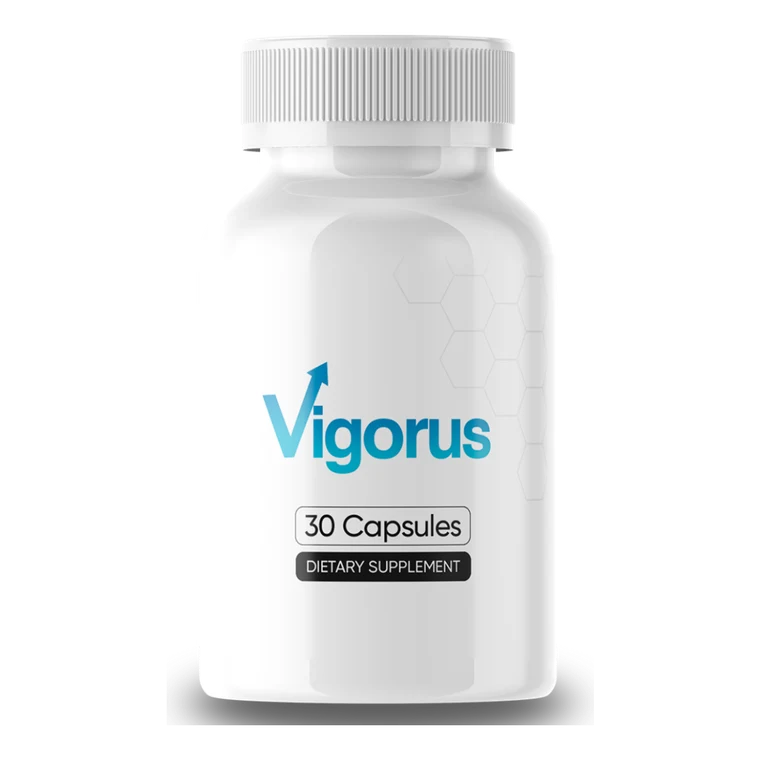
Read the current Vigorus label and terms on the seller's page
Package options, shipping and the guarantee the seller states are all set on the seller's own order page and can change. Open it to see what applies today, and read the caution block on the bottle you receive.
Check Price & OrderView current pricing and available packages on the seller's website.
We may earn a commission if you purchase through our link. Affiliate disclosure. The link opens the seller’s website (Vigorus order page).

Vigorus side effects: frequently asked questions
Does the Vigorus label list any side effects?
It does not. The panel carries a caution block instead of a side-effect list: do not exceed the recommended dose, not for those under 18 or pregnant or nursing mothers, and consult a physician before use if you take a medication or have a medical condition. That is the full text printed on the bottle.
Why does 20 mg of niacin show 125% of the Daily Value?
Because the Daily Value for niacin is 16 mg for adults, so 20 mg works out to 125%. The separate figure to watch is the Tolerable Upper Intake Level of 35 mg per day from supplements and fortified foods, published by the NIH Office of Dietary Supplements.
Can I take Vigorus with my multivitamin?
That is the question to put to a pharmacist, and it is mostly arithmetic. Total the niacin and the zinc across every product you take on a normal day, then compare against 35 mg of niacin from supplements and 40 mg of zinc from all sources. Bring both labels to the counter.
How much of each blend ingredient is in one capsule?
The panel prints one 570 mg total for the Proprietary Blend, so the individual amounts are not published. US rules require the components of a blend to be listed in descending order by weight, which tells you the order on the label is meaningful, and nothing finer than that can be read from the panel.
Is 11 mg of zinc a lot?
It is 100% of the Daily Value for adult men, and it sits well under the 40 mg upper limit that NIH ODS lists for adults from all sources. The figure becomes worth a second look only if you also take a zinc lozenge or a mineral complex, because those totals add together.
What should I do if the safety seal is broken when the bottle arrives?
Do not use it — the label says so in capitals. Photograph the bottle, the seal and the reference code printed on the label side, then contact the seller through the order page you bought from and ask for a replacement under the terms stated there.
I take a blood pressure medicine. Does that rule Vigorus out?
That decision belongs to your prescriber, not to a label or to us. Bring the ingredient list to the clinician who manages your blood pressure, ask whether anything overlaps with your prescription, and ask whether home readings should be taken for the first few weeks if you do start.
Where should the bottle be kept?
In a cool, dry place below 30 °C (86 °F), per the label, and out of reach of children. A bathroom cabinet above a shower is the one common spot that fails the dry part; a bedroom drawer or a kitchen cupboard away from the stove is a better fit.
Sources
- NIH Office of Dietary Supplements — Niacin — the health-professional fact sheet on vitamin B3, including flushing at high intakes of nicotinic acid and the 35 mg Tolerable Upper Intake Level for adults
- NIH Office of Dietary Supplements — Zinc — intake recommendations for zinc, the 40 mg adult upper limit from all sources, and how zinc and copper compete for absorption
- NIH ODS — Dietary Supplements: What You Need to Know — the plain-language consumer guide to reading a Supplement Facts panel and talking to a clinician about what you take
- NCCIH — Using Dietary Supplements Wisely — practical guidance on combining supplements with prescribed medicines and on what to tell your health-care team
- FDA — Dietary Supplements — the regulator's own hub on how supplements are labelled and overseen in the United States, and how to report a problem