
Capsule count
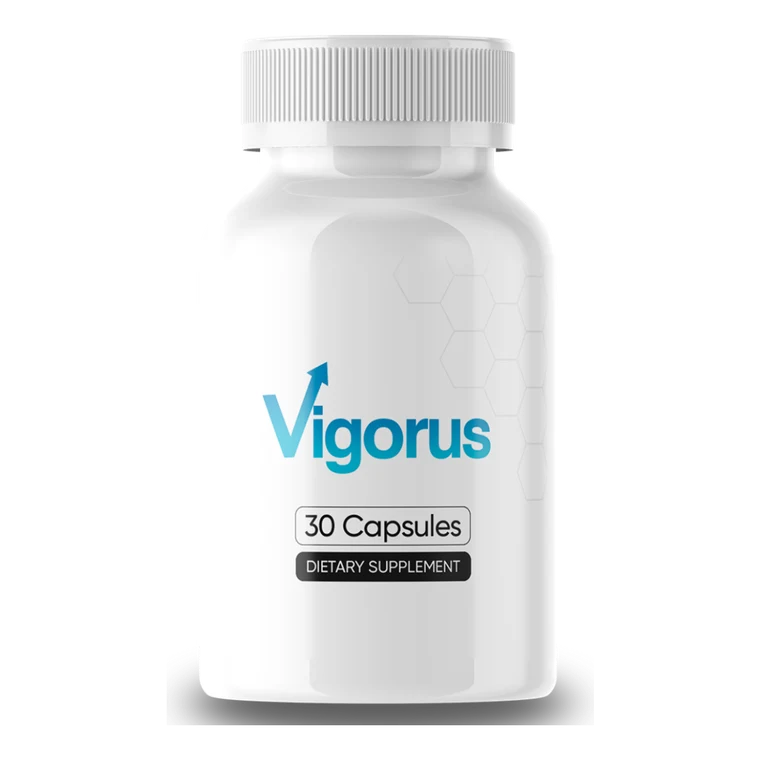
The Vigorus label reads 30 Capsules, with Servings Per Container 30 and a serving size of one capsule. A listing offering a different count is either a different product, a bundle, or a mistake.
An honest answer to a question we cannot settle for you, followed by the method a careful buyer uses on any marketplace listing for a supplement brand.
We checked on 29 November 2026 and could not confirm an Amazon listing for Vigorus, and we could not confirm that there is none. So we say exactly that rather than state either. The buying route we did verify is the seller's own order page. If you want to look on a marketplace, the method below is how to do it properly.
We do not know, and we are not going to pretend otherwise. On 29 November 2026 we looked for a listing and came away with nothing we would be willing to publish as a fact in either direction. A marketplace is not a fixed object: listings appear and disappear within days, search results differ by account and by region, and a brand name that reads as distinctive to you can collide with dozens of unrelated products in a catalogue that size.
What we can state is narrower and more useful. Vigorus is distributed by Vigorus of Aurora, Colorado, and the order route we verified on that date leads to the seller's own order page, where the buyer picks a package and checks out. That is the route described on our where to buy page.
Writing “available on Amazon” would send you looking for something we have not seen. Writing “not available on Amazon” would be just as careless, because a listing we failed to find is not a listing that does not exist. Both sentences would be invented facts dressed up as research, and the only person they would cost anything is you.
There is a second reason to be careful with this particular claim. The absence of a marketplace listing says nothing about a brand's quality, and its presence says nothing either — on a marketplace, anyone with inventory can create a listing for a product they did not make. The question that matters is never “is it there?” but “who is shipping it, and what does the panel say?”
Our fact-checking rules are written down on the editorial policy page, and the short version is this one: where we cannot verify something, we tell you what we tried, we date it, and we hand you the method.

Five minutes done in this order will tell you more than an hour of scrolling. The same sequence works on any large marketplace, not only one.
A marketplace shows both without labelling the difference clearly. These are the signals that separate them.
| Signal | Brand's own listing | Third-party reseller |
|---|---|---|
| Seller name under the buy box | The brand name itself, or the company named as the distributor on the label | An unrelated storefront name, often a short invented word with no web presence |
| Storefront page | Mentions this product and usually nothing else | Lists a jumble of unrelated categories: phone cases, kitchenware, supplements |
| Product images | Clean brand photography and a readable Supplement Facts panel | Reused stock shots, screenshots of an ad, or no panel image at all |
| Listing title | Product name, form and count, written plainly | Long keyword strings with claims the label does not make |
| Returns handling | Handled by the brand or the marketplace under its own policy | Handled by the reseller's own policy, which may be stricter or barely stated |
None of these is proof on its own. Two or three of them pointing the same way is enough to make a decision.
If you do find a listing, check it against what the label artwork actually shows. We transcribed the panel on 29 November 2026, and these are the lines a mismatch shows up in first.
The Vigorus label reads 30 Capsules, with Servings Per Container 30 and a serving size of one capsule. A listing offering a different count is either a different product, a bundle, or a mistake.
Vitamin B3 as Niacin at 20 mg and Zinc as Zinc Oxide at 11 mg. The form in brackets matters: a panel naming a different zinc salt is not the same panel.
One line, 570 mg, with Daily Value not established. The panel prints a single total, so the amount of each component is not published — and no honest listing can print those amounts either.
L-Citrulline, L-Carnitine, Pine Bark Extract, Maca Root Extract, Grape Skin Extract, Saffron Stigmas Extract. Order and spelling both help: see our ingredients breakdown.

Where you buy decides who owes you something if the order goes wrong, and that is the whole practical case for caring about the seller name.
Buy from the seller's own order page and there is one party in the chain. The terms are written on the page you paid on, the seller states a 60-day money-back guarantee there, and your confirmation email names the support address that administers it. One contact, one policy, one card charge to point at. The steps are set out on our refund and returns page.
Buy from a third-party reseller and you have two policies and three parties: the marketplace's rules, the reseller's own returns terms, and a brand that never sold you anything and has no record of your order. If the reseller's terms are strict about opened supplements, or the storefront simply stops responding, your route is a marketplace claim with a deadline attached — and the brand's guarantee was never yours to use, because you did not buy from the brand.
Treat it as a candidate, not an answer. Work the five checks above, then weigh the two routes against each other on the things you can actually read: who is named as the seller, whether the panel on the listing matches the panel on our Supplement Facts page, what the returns terms say, and what the total comes to with shipping. Our price page has the cost-per-day division for the last of those.
The seller's own order page is the route we checked on 29 November 2026. Package options, shipping and the guarantee wording are set there by the seller and can change, so read the page before you confirm anything.
Check Price & OrderView current pricing and available packages on the seller's website.
We may earn a commission if you purchase through our link. Affiliate disclosure. The link opens the seller’s website (Vigorus order page).
We cannot confirm that you can, and we cannot confirm that you cannot. On 29 November 2026 we looked and found nothing we would publish as fact either way. The route we did verify is the seller's own order page, and if you prefer to search a marketplace, use the five checks on this page before you buy.
Because a listing we did not find is not the same as a listing that does not exist. Marketplace catalogues change daily and search results vary by account and region. Saying either would be inventing a fact, which our editorial policy does not allow, so we tell you the date we checked and the method instead.
Read the seller name under the buy box rather than the product title, then open that storefront. A brand's own listing names the brand or the distributor and sells little else; a reseller's storefront usually spans unrelated categories. Also check how many sellers share the listing.
The Supplement Facts image, zoomed in. Check the capsule count of 30, Niacin at 20 mg, Zinc as Zinc Oxide at 11 mg, the single 570 mg blend line, the six blend ingredients in label order, and the distributor line. A listing with no readable panel has not told you enough to buy from.
Not inherently, and on returns it is often the weaker option. Buying from the seller's page leaves one party, one set of terms and one support address. A reseller adds its own policy, and the brand's stated guarantee does not apply to an order the brand never took.
Photograph the bottle and the panel before opening the seal, then raise it with whoever sold it to you, quoting your order number. If you bought through a marketplace, open a claim there as well, because those claims run on a deadline. Our where-to-buy page lists every line worth checking on arrival.