
What FDA oversight really means for Vigorus and every other supplement
A page about how the American rules work, written plainly: who approves what, who is responsible for safety, what the sentence on the bottle means, and what you can look up yourself.
In the United States the FDA does not approve dietary supplements before they go on sale. That applies to every supplement on the market, Vigorus included. Manufacturers are responsible for the safety of what they sell and for truthful labeling, and the FDA acts afterwards if a problem is identified. So the phrase “FDA approval” never applies to a supplement from anyone.
Does the FDA approve dietary supplements?
No, and this is not a loophole or an oversight — it is how Congress wrote the law. Under the Dietary Supplement Health and Education Act of 1994, dietary supplements are regulated as a category of food rather than as drugs. Foods do not go through pre-market approval. A new prescription medicine must prove safety and effectiveness to the agency before a single box is sold; a dietary supplement does not, and cannot, obtain that kind of clearance.
This is the single most misunderstood fact in the whole supplement aisle. Shoppers reasonably assume that something sold for health has been vetted by a government agency in advance, and advertisers sometimes trade on that assumption. It is not true for any supplement brand, however old, large or respectable. If you ever see a supplement described as having FDA approval, that is an error wherever it appears, and it tells you something about the advertisement rather than about the bottle.
Who is responsible for a supplement's safety and labeling?
The company that makes and sells it. That responsibility is specific rather than vague, and it comes in three parts.
Safety. The firm must have a reasonable basis for believing its product is safe when used as directed. There is no government sign-off on that basis before sale, which is precisely why the label's own caution line carries weight: it is the manufacturer telling you the conditions it considers appropriate.
Labeling. A compliant US supplement label has to carry a statement of identity, a net quantity, a Supplement Facts panel with serving size and the amounts per serving, a full other-ingredients list, and the name and place of business of the manufacturer, packer or distributor. The Vigorus label carries all of those, which is why we were able to transcribe it line by line on our Supplement Facts page.
And the FDA acts afterwards. The agency inspects facilities, collects adverse-event reports, issues warning letters, publishes public advisories, and can seek a recall or a seizure where a product is found to be adulterated or misbranded. It is enforcement after the fact, which is a real mechanism rather than a weak one — it simply runs on a different timeline from drug approval.

What the FDA statement printed on the Vigorus label means
The Vigorus label carries this sentence, which we read directly off the artwork on 29 November 2026:
“These statements have not been evaluated by the Food and Drug Administration. This product is not intended to diagnose, treat, cure or prevent any disease.”
That wording is not a warning the company chose to add and it is not a disclaimer of quality. It is required. Any supplement that makes a structure or function claim — language about supporting a normal body function, which is the kind of framing used for Vigorus — must print this statement on the label. Its presence is a sign the label was built to the rules, and you will find the same sentence on supplements from the largest manufacturers in America.
What the two halves actually say
The first half tells you no agency reviewed the specific wording of the claims. The second half tells you the product is positioned as a supplement rather than as a treatment for a disease — which is the line the law draws between the two categories. That is also why our pages describe what the advertiser says the product is intended to support, attributed to the advertiser, and never as a medical outcome. The advertiser's own framing for Vigorus is that it is intended to support male potency and vitality, libido, healthy circulation and testosterone already within the normal range.
What an “FDA-registered facility” does and does not mean
You will see this phrase on supplement marketing constantly, so it is worth understanding before you weigh it.
What it means. Food facilities that manufacture, process, pack or hold food for US consumption are required to register with the FDA and renew that registration. Registration gives the agency an inventory of who is making food and where, so inspections and recalls can be organised. A facility being registered is therefore a statement of legal compliance with a paperwork requirement.
What it does not mean. Registration is not an inspection, an endorsement, a certification or an approval. The FDA explicitly does not permit registration to be used to suggest agency approval or endorsement of a facility or its products. A registered facility has told the government it exists; it has not been awarded anything.
How to search the FDA's tainted-products database
The agency keeps a public list of products it has found to contain undeclared or hidden drug ingredients, including a large section on sexual-enhancement products. It is free, it takes two minutes, and it is a genuinely useful habit for any unfamiliar brand in this category.
- 1Open the FDA's tainted sexual enhancement products pageThe link is in the sources at the foot of this page. It leads to the agency's own index of products that laboratory analysis found to contain ingredients not declared on the label, most often prescription drug substances.
- 2Search the page for the brand nameUse your browser's find function — Ctrl+F on Windows, Command+F on a Mac — and type the brand exactly. The list is long, so searching beats scrolling. Try an alternative spelling as well if the name could be written more than one way.
- 3Search the manufacturer or distributor name tooEntries are organised by product, but a company can appear more than once under different product names. The Vigorus label names Vigorus of Aurora, CO 80011 as the distributor, so that is the second term to try.
- 4Check the FDA's wider recalls and advisories listingsThe main dietary supplements hub links to current recalls, public notifications and warning letters. If a product has drawn agency attention for any reason, that is where it surfaces.

Drug approval and supplement oversight, side by side
The two systems differ at almost every point, which is why importing an expectation from one into the other produces so much confusion.
| Question | Prescription drug | Dietary supplement |
|---|---|---|
| Reviewed by the FDA before sale? | Yes. Safety and effectiveness must be demonstrated to the agency first. | No. There is no pre-market approval for a finished supplement. |
| Who holds responsibility for safety? | The sponsor, under an approval the agency grants and can withdraw. | The manufacturer or distributor, with no advance government sign-off. |
| What may the label claim? | Specific disease treatment claims, as written in the approved labeling. | Structure and function claims only, plus the required FDA statement. |
| How does oversight happen? | Pre-market review, then post-market surveillance. | Post-market: facility inspections, adverse-event reports, warning letters, recalls, public advisories. |
What this means for you as a buyer
It means the checks nobody did for you in advance are checks worth doing yourself, and all of them are quick.
- Read the panel, not the advertisement. The Supplement Facts panel is the regulated part of a supplement's communication. Ours is transcribed in full, including the lines that are not printed.
- Take the caution line seriously. The Vigorus label asks you to consult a physician before use, especially if you take a medication or have a medical condition, and not to exceed the recommended dose. That is the manufacturer's own instruction, and it is the one we repeat most often.
- Search the tainted-products list. Two minutes, as set out above.
- Ask a pharmacist about your own medicines. They read panels for a living. There is a script for that conversation on our pharmacy counter page.
- Keep your paperwork. The seller's terms, your receipt and the panel photograph are what make any later question straightforward. See refunds and returns.
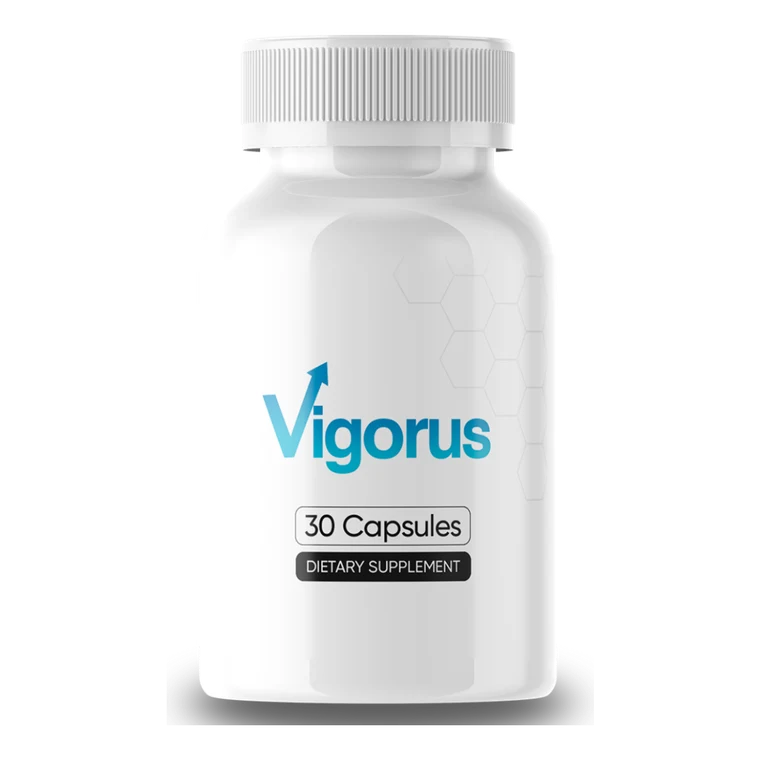
Read the seller's terms for yourself
The packages, the shipping terms and the guarantee wording are set by the seller on its own order page and can change. Open the page and read what applies today before you decide anything.
Check Price & OrderView current pricing and available packages on the seller's website.
We may earn a commission if you purchase through our link. Affiliate disclosure. The link opens the seller’s website (Vigorus order page).
FDA rules and Vigorus: questions people ask
Does Vigorus have FDA approval?
No supplement is, because the FDA does not approve dietary supplements before sale in the United States. Supplements are regulated as a category of food, and foods have no pre-market approval route. Any product in this category described as carrying FDA approval is being described incorrectly, whoever makes it.
Does that mean supplements are unregulated?
No. Manufacturers must have a basis for believing a product is safe as directed, must label it to a prescribed format, and must follow current good manufacturing practice rules. The FDA inspects facilities, collects adverse-event reports, issues warning letters and can pursue recalls. The oversight is real; it happens after launch rather than before.
Why does the Vigorus label say the statements have not been evaluated?
Because the law requires that sentence on any supplement making a structure or function claim. It appears on products from the largest manufacturers in the country. Its presence shows the label was built to the rules, and the second half marks the product as a supplement rather than a treatment for a disease.
How do I check whether a supplement has been flagged by the FDA?
Open the agency's tainted sexual enhancement and energy products page, then use your browser's find function to search the brand name and the distributor name. Also check the recalls and public notifications linked from the FDA's dietary supplements hub. Both are free and take about two minutes.
Is Vigorus on that tainted-products list?
We found nothing placing it there, and we encourage you to run the search yourself rather than take our word for it, because the list is updated as new analyses are completed. The steps are on this page, and the link is in the sources below.
Should I still talk to my doctor if a supplement is legal and labeled correctly?
Yes, and particularly in this category. Legality says nothing about whether an ingredient suits your prescriptions. Bring the panel and your medication list to the conversation, and read the caution line on the label first; it asks for exactly that.
Sources
- FDA — Dietary Supplements — the agency's own hub: how supplements are regulated, what manufacturers are responsible for, and links to current recalls, warning letters and public notifications
- FDA — Tainted Sexual Enhancement and Energy Products — the searchable public list of products found by laboratory analysis to contain undeclared drug ingredients; the database described in the steps above
- NIH Office of Dietary Supplements — Dietary Supplements: What You Need to Know — a plain-language companion on how the US system works, what a label must carry, and what to ask before taking a supplement