
Saffron stigmas extract: the sixth and last entry in the blend
Three crimson threads per flower, picked by hand at dawn — the reason saffron is priced the way it is, and the reason it rarely appears in large amounts anywhere.
Saffron is the dried stigma of the autumn crocus, Crocus sativus, harvested by hand and used as a spice, a dye and a traditional remedy. Supplements use a concentrated extract of those threads. Vigorus names the species on its panel and lists the extract sixth and last of the six components inside the 570 mg blend.
What is saffron stigmas extract?
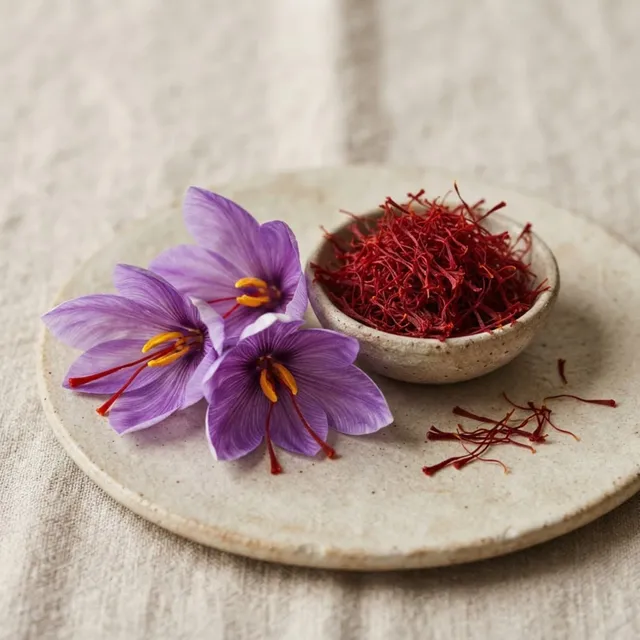
The plant is a small purple crocus that flowers for a few weeks in autumn. Inside each bloom sit three thread-like stigmas, deep red and about an inch long. Those threads, dried, are saffron; nothing else from the plant is.
Three compound families give saffron its character: crocin for the orange-red colour, picrocrocin for the bitter note, and safranal for the aroma, which forms as the threads dry. Together they are what an extract is designed to concentrate.
A supplement extract is made by soaking the dried stigmas and concentrating the result, often standardized to a stated percentage of crocins or safranal. Vigorus prints Saffron (Crocus sativus) Stigmas Extract — naming both the species and the specific plant part.
How much saffron extract does Vigorus list?
One total is printed for the group: 570 mg, Proprietary Blend, Daily Value not established. The saffron extract's own weight is therefore not published, and the panel offers no route to calculating it.
Order is the part the label does fix. Saffron stigmas extract is printed last of the six, after L-citrulline, L-carnitine, pine bark extract, maca root extract and grape skin extract. Because US blend lists are written heaviest first, the final position is the lightest of the group — which is unremarkable for a spice extract, since saffron is a potent, costly material used in small quantities everywhere it appears.
For the exact figure, ask the brand or the seller. Our reading of the whole panel shows every line the artwork carries.
Saffron at a glance
| What it is | The dried stigmas of Crocus sativus, concentrated into an extract |
| Where it comes from | Autumn crocus flowers hand-picked in Iran, Kashmir, Spain, Greece, Morocco and Afghanistan |
| On the Vigorus label | Sixth and last of the blend components inside the 570 mg total; the amount is not printed |
| Upper limit | No Tolerable Upper Intake Level has been established for saffron |
| Ask a doctor first if | You take an antidepressant, a blood thinner, or any prescribed medication; pregnancy excludes it |
Species, plant part and blend position read from the label artwork supplied by the advertiser, checked 29 November 2026.
What researchers study about saffron
Saffron has drawn more clinical attention than most culinary spices. Investigators have looked at mood and sleep questionnaires, appetite and eating behaviour, eye health in older adults, and measures of sexual function, with much of the work coming out of Iranian and European research groups. Separately, analytical chemists publish a steady stream of papers on authenticity testing, because saffron is among the most adulterated commodities in the spice trade.
Scope matters here as everywhere on this site: those trials examine saffron extract by itself, at amounts and standardizations the investigators specified. They are not trials of a finished multi-ingredient capsule.
A PubMed search for Crocus sativus returns the indexed studies so you can read them rather than a description of them.

Why saffron is the most expensive spice by weight
The arithmetic of the harvest explains the price on its own. Each flower yields three stigmas. The blooms open over a short autumn window and must be picked at dawn, before the sun wilts them, and the stigmas separated by hand the same day — no machine does this step at commercial scale.
Drying then removes roughly four-fifths of the weight. It takes on the order of 150,000 flowers to produce a kilogram of dried saffron, and a single person picking all day gathers a small fraction of that.
Two things follow for anyone reading an ingredient list:
- Saffron is used in milligram quantities in formulas, not gram quantities — that is normal, not a shortfall
- Because the price is high, authenticity testing is a real part of the trade, which is why reputable suppliers hold certificates of analysis
It is also the only ingredient in this blend that most readers already keep in a kitchen cupboard, which makes it a useful anchor when comparing the other formulas we have looked at.
Who should check with a doctor before taking saffron
Pregnancy is the clearest exclusion: traditional use of saffron in pregnancy is specifically cautioned against, and the Vigorus label excludes pregnant and nursing mothers in any case. Anyone taking an antidepressant should raise saffron with a prescriber, as should anyone on an anticoagulant.
Beyond that, the label's standing caution applies: adults 18 and over, do not exceed the recommended dose, and consult a physician before use if you take a medication or have a medical condition. Our safety page lists those groups, and the FAQ handles the shorter questions.
Check before combining it with medication
Talk to a doctor or pharmacist first if you take nitrates, an erectile-dysfunction medicine, blood-pressure tablets, a blood thinner or an antidepressant. These capsules are for adults 18 and over and are not for pregnancy or nursing. And new or worsening erection problems deserve an appointment in their own right — they can be an early sign of a circulation or hormone problem.
Saffron questions worth answering
How much saffron extract is in a Vigorus capsule?
The amount is not published. The panel prints one 570 mg total for the blend and names saffron stigmas extract as the sixth and final component.
Is this the same saffron sold as a cooking spice?
The same plant part, processed differently. A kitchen jar holds whole dried threads; the label here specifies a concentrated extract of those stigmas.
Why is saffron listed last on the label?
US blend lists run from the heaviest component to the lightest. Saffron is a concentrated, costly material used in small amounts wherever it appears.
Does saffron have a taste in a capsule?
A capsule shell is swallowed whole, so the bitter and aromatic notes that matter in cooking are not part of the experience.
Can saffron be taken alongside other supplements?
That is a question for a pharmacist, who can look at everything you take at once. Take the bottle or a photo of the panel along.
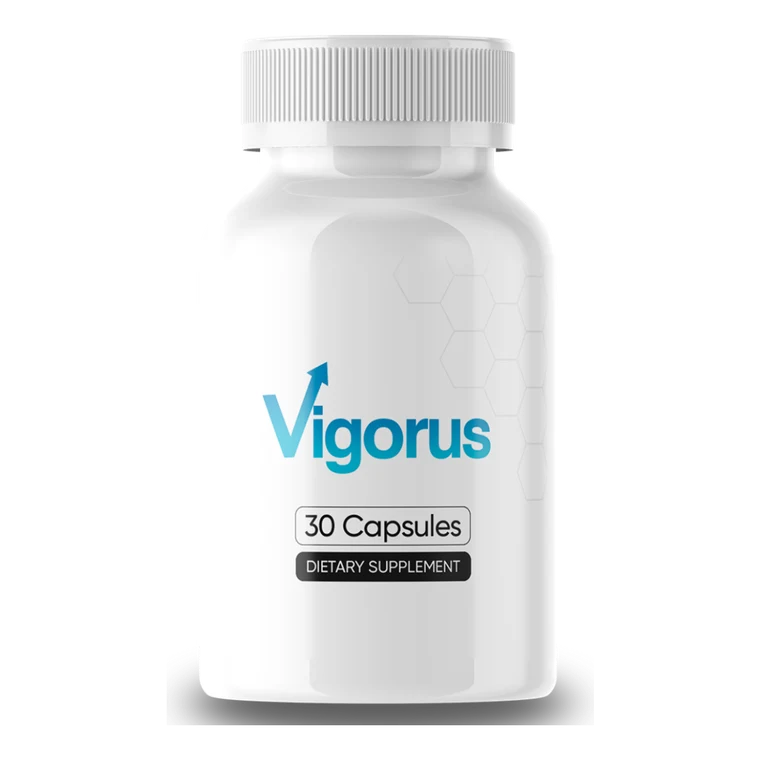
See the seller's current Vigorus packages
Package options, delivery and the 60-day money-back policy the seller states all live on the seller's own order page, and they can change at any time.
Check Price & OrderView current pricing and available packages on the seller's website.
We may earn a commission if you purchase through our link. Affiliate disclosure. The link opens the seller’s website (Vigorus order page).
Sources for this page
- PubMed — search results for Crocus sativus — indexed clinical and analytical research on saffron as a single ingredient
- NCCIH — Using Dietary Supplements Wisely — how to assess a botanical and raise it with the clinician who knows your history
- NIH ODS — Dietary Supplements: What You Need to Know — what a Supplement Facts panel must disclose, and how a blend total is presented
- FDA — Dietary Supplements — the framework under which botanical supplements are sold in the United States