
Grape skin extract: the fifth name in the Vigorus blend list
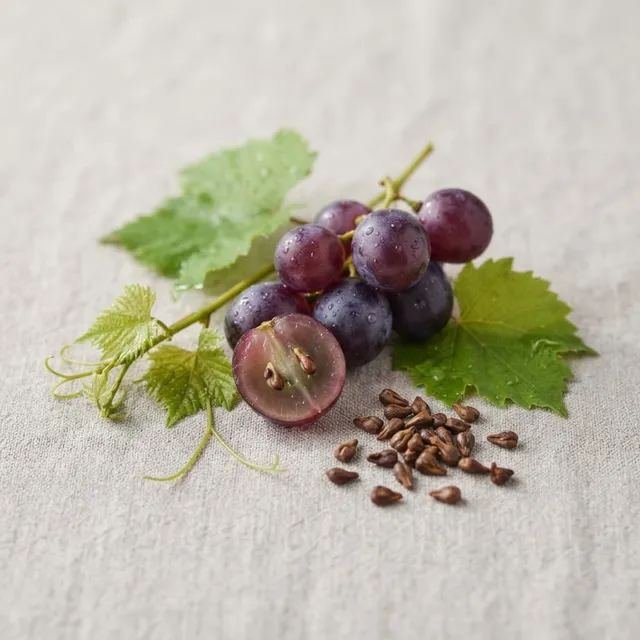
The colour in a red grape and most of its polyphenols live in the skin, not the pulp — the reason an extract is made from that part of the fruit.
Grape skin extract is concentrated from the skins of Vitis vinifera, the common wine grape, and carries the anthocyanins, flavonols and stilbenes — resveratrol among them — that the fruit stores in its outer layer. Vigorus names the species on its panel and lists the extract fifth of six components inside the 570 mg blend.
What is grape skin extract?
Pressing grapes for juice or wine leaves behind pomace: skins, seeds and stems. Grape skin extract is made by separating the skins from that material, drying them and pulling the water-soluble pigments and polyphenols out with a food-grade solvent, usually water or ethanol.
The resulting powder is deep purple-red and faintly tannic. The same material has a long industrial history as a natural colourant, which is one reason a steady supply of it exists at all.
One distinction is worth keeping straight. Grape skin extract is not grape seed extract. The seeds are richer in proanthocyanidins; the skins carry the anthocyanin pigments and the stilbenes. Vigorus prints Grape (Vitis vinifera) Skin Extract, so the skin is the part specified.
How much grape skin extract is on the Vigorus panel?
The panel gives one figure for the group — 570 mg of proprietary blend — and then lists what is inside it. The amount of grape skin extract by itself is not published, and nothing printed on the bottle allows it to be worked out.
What you can read off the label is sequence. Grape skin extract comes fifth: after L-citrulline, L-carnitine, pine bark extract and maca root extract, and ahead of the saffron stigmas extract. Blend components are listed from heaviest to lightest, so fifth of six places it toward the lighter end of the group.
The brand and the seller are the ones who can supply a per-component number. For every line the artwork does carry, including the niacin and zinc entries above the blend, see our transcription of the panel.
Grape skin extract at a glance
| What it is | A polyphenol extract of grape skins, carrying anthocyanins, flavonols and stilbenes |
| Botanical source | Vitis vinifera, the common wine grape, named on the Vigorus panel |
| On the Vigorus label | Fifth of six components inside the 570 mg blend; the per-component amount is not printed |
| Upper limit | No Tolerable Upper Intake Level has been established for grape polyphenols |
| Ask a doctor first if | You take a blood thinner, or any medication your pharmacist flags for grape or juice interactions |
Species name and blend position read from the label artwork supplied by the advertiser, checked 29 November 2026.
What researchers study about grape skin extract
Published work on grape polyphenols clusters around a few questions: how anthocyanins and stilbenes are absorbed and broken down, what happens to oxidative-stress and inflammatory markers in blood, and measurements of vascular function. Food scientists contribute a parallel literature on pomace as a by-product worth recovering.
The usual caveat applies and is worth stating once here: this research tests the extract or its isolated compounds on their own, at amounts chosen by investigators, and none of it is a study of a finished multi-ingredient capsule.
A PubMed search for grape skin extract shows what has actually been indexed, which is a better guide than any summary of the field — ours included.
Where the polyphenols sit in the fruit, resveratrol included
A grape is three things in one. The pulp is mostly water and sugar and carries few polyphenols. The seeds hold proanthocyanidins. The skin carries the pigments and the stilbene family — which is where resveratrol belongs.
Resveratrol is a compound the vine produces in its skin as a defence against fungal attack, and vines under more pressure make more of it. Its concentration therefore varies with grape variety, climate and growing season, which is why no fixed figure applies to "grape skin" as a category.
Three practical consequences:
- Red grapes carry more pigment and stilbene than white ones, because the skin is where both live
- Red wine is pressed with its skins; white wine generally is not
- An extract from skins and an extract from seeds are different ingredients with different profiles
The Vigorus panel does not print a resveratrol percentage, and we do not supply one.
Who should check with a doctor before taking grape skin extract
Anticoagulant and antiplatelet therapy is the main reason to ask first; prescribers also commonly ask patients to pause supplements before surgery. Mention it too if you follow a medication plan that already comes with instructions about fruit juices, since a pharmacist can check the specific drug rather than the category.
The label's own caution covers the rest: adults only, not for pregnant or nursing mothers, and a physician's advice before use if you take a medication or have a medical condition. See what to watch for and who the label excludes.
One conversation before you start
Ask a doctor or pharmacist before use if you take nitrates, an erectile-dysfunction medicine, blood-pressure tablets or a blood thinner. These capsules are for adults 18 and over and are not for pregnancy or nursing. Treat new or worsening erection problems as a reason to be seen: they can be an early sign of a circulation or hormone problem.
Grape skin extract: quick answers
How much grape skin extract is in one capsule?
Not published. The Vigorus panel prints 570 mg for the blend as a whole, with grape skin extract listed fifth of the six components inside it.
Is grape skin extract the same as grape seed extract?
No. They come from different parts of the fruit and carry different compounds. The Vigorus label specifies skin, so that is what we describe.
Does it contain alcohol?
Ethanol may be used during extraction, but it is removed from the finished powder. The capsule is a dry ingredient, not a wine derivative.
How much resveratrol does it provide?
The panel prints no resveratrol figure, and the content of grape skins varies by variety and season, so there is no honest number to give.
Is it suitable for people avoiding animal products?
The extract is plant material and the Vigorus shell is hypromellose, listed on the label as a vegetable capsule.
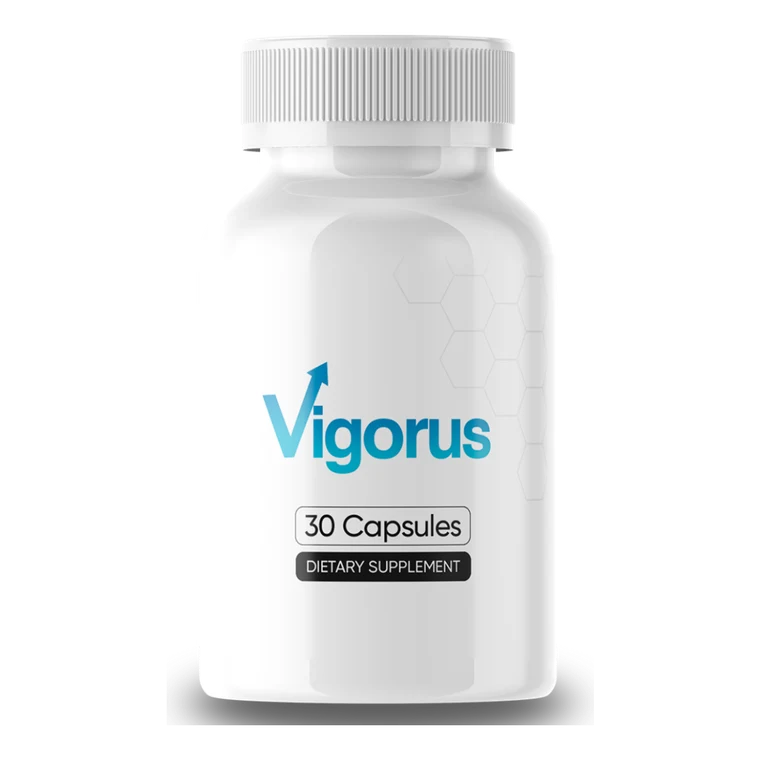
Look at the current Vigorus offer directly
The seller sets packages, shipping and the 60-day money-back policy it states on its own order page, and those terms can change at any time.
Check Price & OrderView current pricing and available packages on the seller's website.
We may earn a commission if you purchase through our link. Affiliate disclosure. The link opens the seller’s website (Vigorus order page).
Sources behind this page
- PubMed — search results for grape skin extract — indexed research on the extract and its polyphenols, filterable by study type
- NCCIH — Using Dietary Supplements Wisely — guidance on assessing botanical ingredients and discussing them with a clinician
- NIH ODS — Dietary Supplements: What You Need to Know — what a Supplement Facts panel discloses and how proprietary blends are presented
- FDA — Dietary Supplements — the rules botanical supplements are sold under in the United States