
Maca root extract: the Andean crop fourth in the Vigorus blend
Grown on the high plateau of central Peru and eaten there long before anyone encapsulated it, maca arrives on this label as an extract of the dried root.
Maca is Lepidium meyenii, a root vegetable in the mustard family cultivated on the high Peruvian plateau and eaten there as a food. Supplements use the dried root, usually as a powder or a concentrated extract. Vigorus names the species on its panel and lists the extract fourth of six components inside the 570 mg blend.
What is maca root?
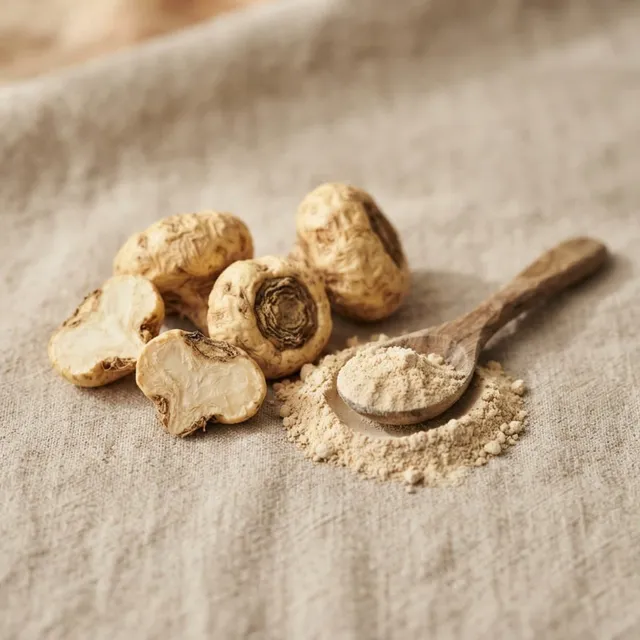
Maca is a cruciferous plant — a relative of radish, turnip and watercress — that grows where very little else will, on the Peruvian puna between roughly 12,000 and 14,500 feet. The edible part is the swollen hypocotyl, a knobbly root about the size of a small turnip.
Traditionally the harvested roots are sun-dried on the ground for weeks, then boiled into a porridge, fermented into a drink, or milled into flour. The drying step is part of the food tradition, not a modern processing shortcut.
Supplement material follows from that: dried root powder, gelatinized maca (cooked to break down starch), or a concentrated extract. The Vigorus panel prints Maca (Lepidium meyenii) Root Extract, so the extract form of the root is what is listed.
How much maca root extract is in Vigorus?
The Vigorus Supplement Facts panel prints one weight for the whole group — 570 mg of proprietary blend — so the individual amount of maca root extract is not published. That is a labelling choice available to manufacturers in the United States, and it means the per-component figure simply is not on the bottle.
The label does fix the order. Maca root extract is listed fourth, after L-citrulline, L-carnitine and pine bark extract, and before the grape skin and saffron extracts. US blend lists run heaviest first, which puts maca in the lower half of the group.
Anyone who wants the exact number should ask the brand or the seller. Everything the artwork does state is set out in our line-by-line panel reading.
Maca root at a glance
| What it is | The dried root of Lepidium meyenii, a cruciferous Andean crop, used as an extract |
| Where it comes from | The high plateau of central Peru, where it is grown and eaten as a food |
| On the Vigorus label | Fourth of six components inside the 570 mg blend; the per-component amount is not printed |
| Upper limit | No Tolerable Upper Intake Level has been set for maca |
| Ask a doctor first if | You have a thyroid condition, a hormone-sensitive condition, or take any prescribed medication |
Species name and blend position read from the label artwork supplied by the advertiser, checked 29 November 2026.
What researchers study about maca root
The National Center for Complementary and Integrative Health keeps a short, plainly written page on maca that is a sensible first stop: it describes the plant, summarizes what has been looked at, and notes where the published work is limited. Investigators have examined energy and mood questionnaires, sexual-function scores, and fertility parameters, mostly in small groups.
Keep the scope in view. Those studies test maca on its own, as a powder or extract at an amount the researchers chose, and none of them is a trial of a finished multi-ingredient capsule such as Vigorus.
Reading the NCCIH page before any product page — ours included — is a good habit, because it describes the ingredient without anything to sell.

Yellow, red and black maca, and the Andean food tradition
Maca is sorted by the colour of the root's skin, and growers treat the three types as genuinely different crops rather than cosmetic variants.
- Yellow maca — the most common harvest by a wide margin, and the everyday food type
- Red maca — a smaller share of the crop, often sold at a premium
- Black maca — the scarcest of the three and the most expensive
A label that says only "maca root extract", as Vigorus does, is not telling you which colour was used, and we will not guess. In Peru, meanwhile, maca is food first: flour, porridge, a fermented drink called maca chicha, and roots roasted in ash. That long record of dietary use is the ingredient's real pedigree, and it is why it shows up across the men's formulas we have reviewed.
Who should check with a doctor before taking maca root
Raise it with a clinician if you have a thyroid condition — maca is a cruciferous plant, and that family is often discussed in thyroid care — or any hormone-sensitive condition. NCCIH also notes that maca has not been well studied in pregnancy or breastfeeding, which lines up with the label's own exclusion.
The bottle's caution is the baseline: adults 18 and over only, not for pregnant or nursing mothers, and consult a physician before use if you take a medication or have a medical condition. Our safety overview and tolerance notes cover the detail.
Ask first if you take anything regularly
Check with a doctor or pharmacist before use if you take nitrates, an erectile-dysfunction medicine, blood-pressure tablets or a blood thinner. These capsules are for adults 18 and over and are not for pregnancy or nursing. New or worsening erection problems deserve a medical appointment of their own, because they can be an early sign of a circulation or hormone problem.
Maca root questions people send us
How much maca root extract does Vigorus contain?
The panel does not print it. One 570 mg total covers the blend, and maca root extract is the fourth of six components named beneath that figure.
Is maca a stimulant or a source of caffeine?
No. It is a root vegetable in the mustard family and contains no caffeine. In Peru it is eaten as food rather than taken for a lift.
Which colour of maca is in Vigorus?
The label does not say, and we will not guess. It names the species, Lepidium meyenii, and the plant part — the root.
Is maca the same thing as Peruvian ginseng?
"Peruvian ginseng" is a nickname, not a botanical relationship. Maca is a crucifer; true ginseng is Panax, an unrelated genus in another family.
Can maca be taken every day?
The Vigorus direction is one capsule daily, and the dose printed on a label is the one to follow. Our dosage page covers timing and missed days.
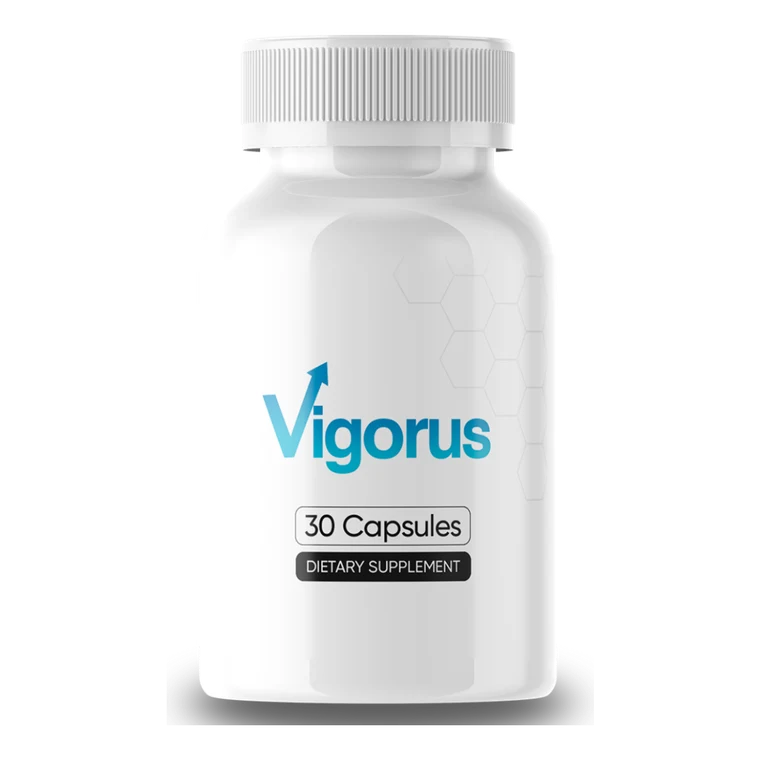
Check today's Vigorus offer on the seller's page
Package choices, shipping and the seller's stated 60-day money-back policy are published on the seller's own order page and can change without notice.
Check Price & OrderView current pricing and available packages on the seller's website.
We may earn a commission if you purchase through our link. Affiliate disclosure. The link opens the seller’s website (Vigorus order page).
Sources used on this page
- NCCIH — Maca — a federal summary of the plant, what has been studied and where the evidence is limited
- NCCIH — Using Dietary Supplements Wisely — how to weigh a botanical ingredient and bring it up with your own clinician
- NIH ODS — Dietary Supplements: What You Need to Know — what a Supplement Facts panel must disclose, including how blends are printed
- FDA — Dietary Supplements — how botanical supplements are placed on the US market and who is responsible for them